What to Know Before Buying an EV Without Home Charging
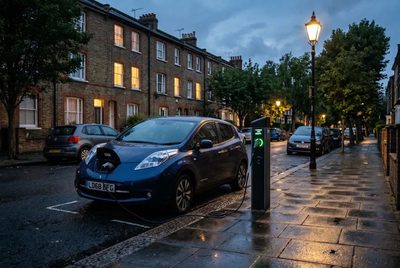
Buying an electric car when you cannot charge at home is possible, but it changes the ownership experience more than most buyers expect. Here is what to realistically plan for.
Some electric cars are built to turn heads. The best first EV is built to fit your life without drama, debt, or a personality change. Here are the models that actually deliver for normal American households in 2026.
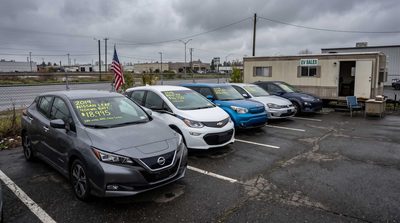
A used car lot on a gray afternoon. A row of electric vehicles with handwritten price stickers on their windshields. One sticker is close enough to read. The cars are clean but unremarkable. A folding chair sits near a small sales trailer. No people.
The choice between a hybrid and an electric vehicle is not about which technology is superior. It is about which one fits your actual schedule, parking situation, and tolerance for planning. Here is how to make the call without ideology.
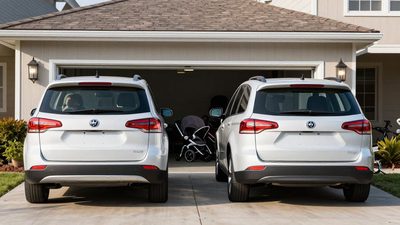
An electric car can absolutely work as a family vehicle — but not for every family, and not without thinking through car seats, cargo space, road-trip patience, and the unpredictable rhythms of life with kids. Here is what to consider before making the switch.
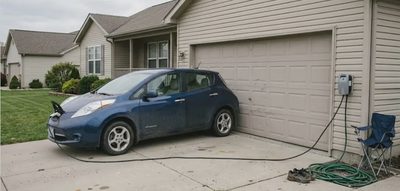
A notepad on a kitchen table with handwritten questions visible. Next to it, a pen, a set of car keys, and a folded pair of reading glasses. In the soft background, an unplugged EV charge cable hangs on a garage wall, partially visible through an open door. Morning light from a side window.
This guide walks through the practical tradeoffs of buying a new, used, or lease-return electric car. By the end, you will know which set of compromises fits your real budget, parking situation, and tolerance for surprise.