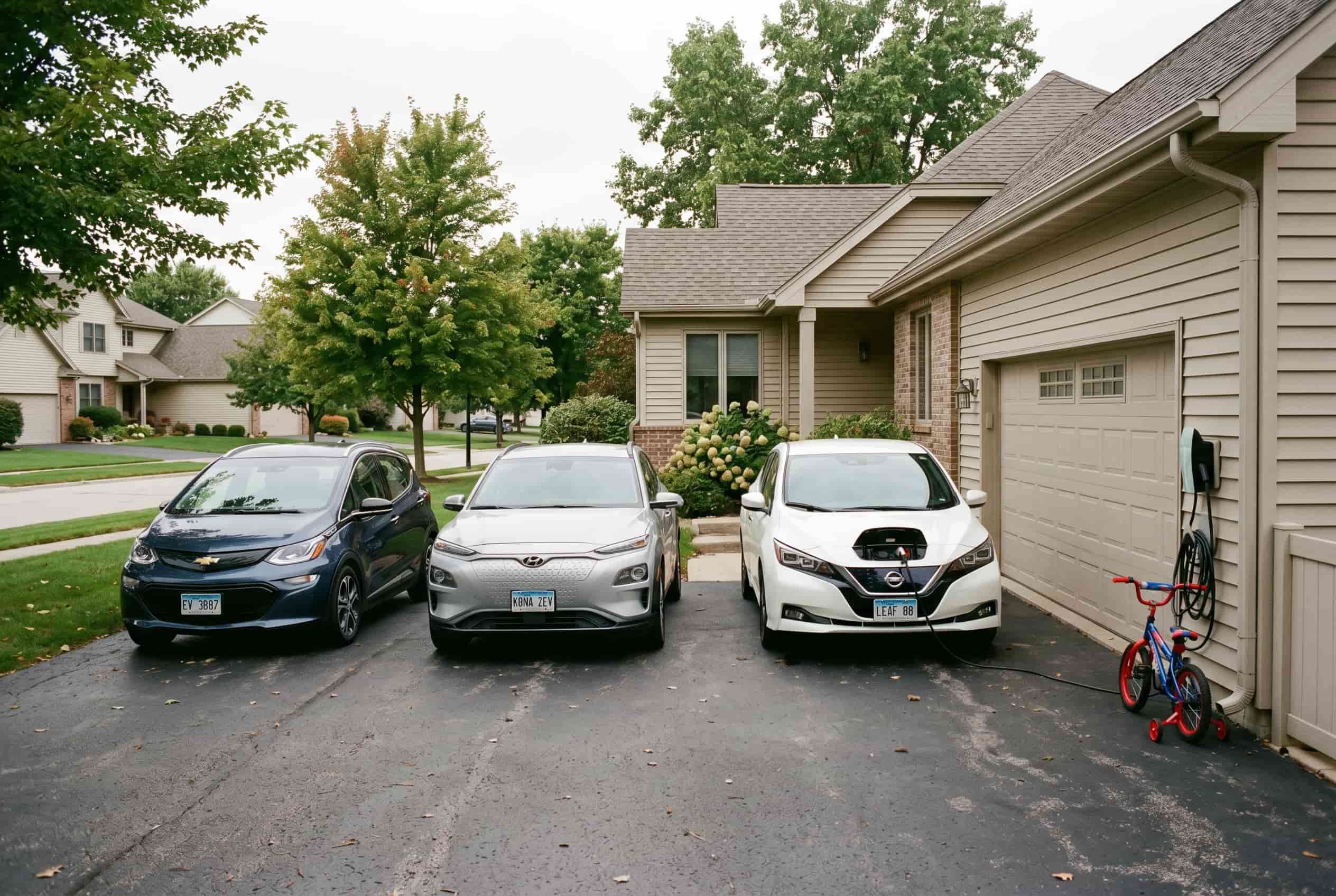
Not every electric car is trying to be a statement. Some are just trying to be good transportation — quiet, efficient, reasonably priced, and easy to live with on a regular Tuesday. These are the cars Owen Barrett recommends most often to readers who are not interested in joining a car culture or winning an argument online. They just want something that works.
The vehicles on this list share a few practical traits. They are priced within reach of a typical household budget, especially with available federal tax credits. They have enough range for daily commuting plus errands. Their interiors are functional rather than futuristic. And they do not demand that you explain or defend your purchase to anyone.
Here are four of the best first EVs for people who are not trying to impress anybody.
Chevrolet Bolt EV and Bolt EUV
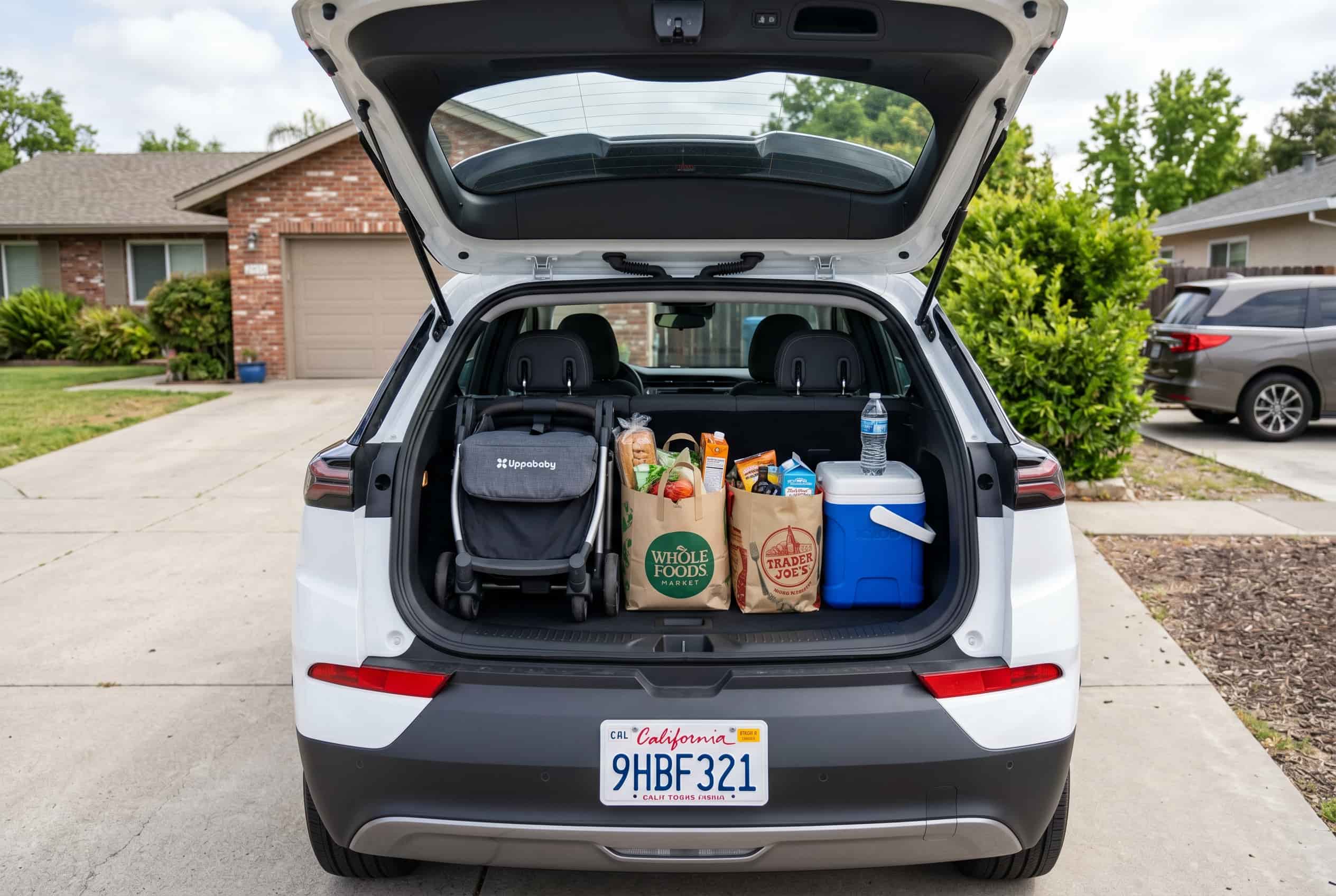
The Chevrolet Bolt has been on American roads long enough that the early questions about it have been answered. The battery is reliable. The range is genuinely useful — over two hundred fifty miles on a full charge in most conditions. The hatchback body style swallows a surprising amount of grocery-run cargo, and the rear seats fit child seats without a wrestling match.
The Bolt EUV, a slightly stretched version, adds a few inches of rear legroom and an available hands-free driving assist system on certain highways. Neither version is fast, flashy, or luxurious. Both are straightforward transportation tools with low running costs and a dealer network that already knows how to service them.
What to watch for: DC fast charging speed is slower than many newer EVs, so long road trips require more patience. The interior materials are durable but unglamorous — a fair tradeoff at this price point.
Hyundai Kona Electric
The Hyundai Kona Electric is a small crossover that does not ask for attention. It shares its body with a gasoline-powered Kona, so it blends into any parking lot without announcing its electric drivetrain. The 2026 model continues to offer a real-world range above two hundred fifty miles, a comfortable ride height that makes getting in and out easy, and one of the better warranty packages in the industry.
The Kona Electric appeals to buyers who want an EV that feels like a normal car. The controls are familiar. The seating position is upright. The infotainment system does not require a tutorial. It is the kind of vehicle you can hand to a spouse or a teenager without a fifteen-minute briefing.
What to watch for: rear-seat legroom is tighter than some competitors, and the cargo area behind the rear seats is adequate but not generous. Test-fit your family before committing.
Nissan Leaf
The Nissan Leaf has been around longer than almost any other modern electric car, and that longevity has a quiet advantage: the used market is full of them, the charging behavior is well understood, and independent mechanics have had years to learn the platform. A new 2026 Leaf offers a range of about two hundred miles, enough for most suburban commuting cycles.
The Leaf uses a different fast-charging connector standard than most new EVs sold in the United States, which means finding a compatible DC fast charger on a road trip can be slightly more work. But for a household that charges at home and rarely drives beyond the metro area, this is not a daily concern. New models are priced competitively, and used Leafs are among the most affordable entries into electric car ownership.
What to watch for: the air-cooled battery design means the Leaf's battery degrades faster in consistently hot climates than liquid-cooled competitors. In moderate regions, this is less of an issue. In Phoenix or Las Vegas, it matters more.
Kia Niro EV
The Kia Niro EV is another crossover that shares its platform with a hybrid and a plug-in hybrid variant. It does not look like an electric car, which for many of Owen's readers is a feature rather than a bug. The 2026 Niro EV delivers a practical range in the mid-two-hundreds, a spacious cabin for its footprint, and a ride quality that prioritizes comfort over sportiness.
The Niro's interior feels more thoughtfully designed than some competitors, with physical buttons for frequently used functions and a layout that does not bury climate controls behind touchscreen menus. For a family car, those small ergonomic decisions matter more on a daily basis than zero-to-sixty times.
What to watch for: availability can be inconsistent depending on where you live. Some dealers stock the hybrid and plug-in hybrid Niro more heavily than the full electric version. Call ahead before you assume a test drive is available.
The table below compares these four vehicles on the criteria that matter most for a first-time buyer.
Model | EPA Range (approx.) | Body Style | Used Availability | Best For |
|---|---|---|---|---|
Chevrolet Bolt EV / EUV | 250+ miles | Hatchback / small crossover | Strong | One-car households, commuters, budget-focused buyers |
Hyundai Kona Electric | 250+ miles | Small crossover | Growing | Buyers who want a normal-car feel with crossover height |
Nissan Leaf | 200 miles (new) | Hatchback | Very strong | Short commutes, metro-area driving, used-car value |
Kia Niro EV | 250+ miles | Compact crossover | Moderate | Families wanting space and comfort without flash |
What these cars all get right
None of these four vehicles will win a drag race against a high-performance EV. None of them will attract a crowd in a parking lot. That is the point. What they do is remove the friction that makes first-time EV ownership feel like a project.
They charge predictably. They fit in standard parking spaces. Their replacement parts come from established supply chains. Their insurance premiums tend to be lower than luxury or high-performance EVs. And their resale values, while not immune to the broader EV depreciation trend, are supported by practical reputations rather than hype cycles.
A car earns its place in the household. These four earn it by disappearing into your routine rather than demanding that you rearrange your life around them.
Which one fits your Tuesday?
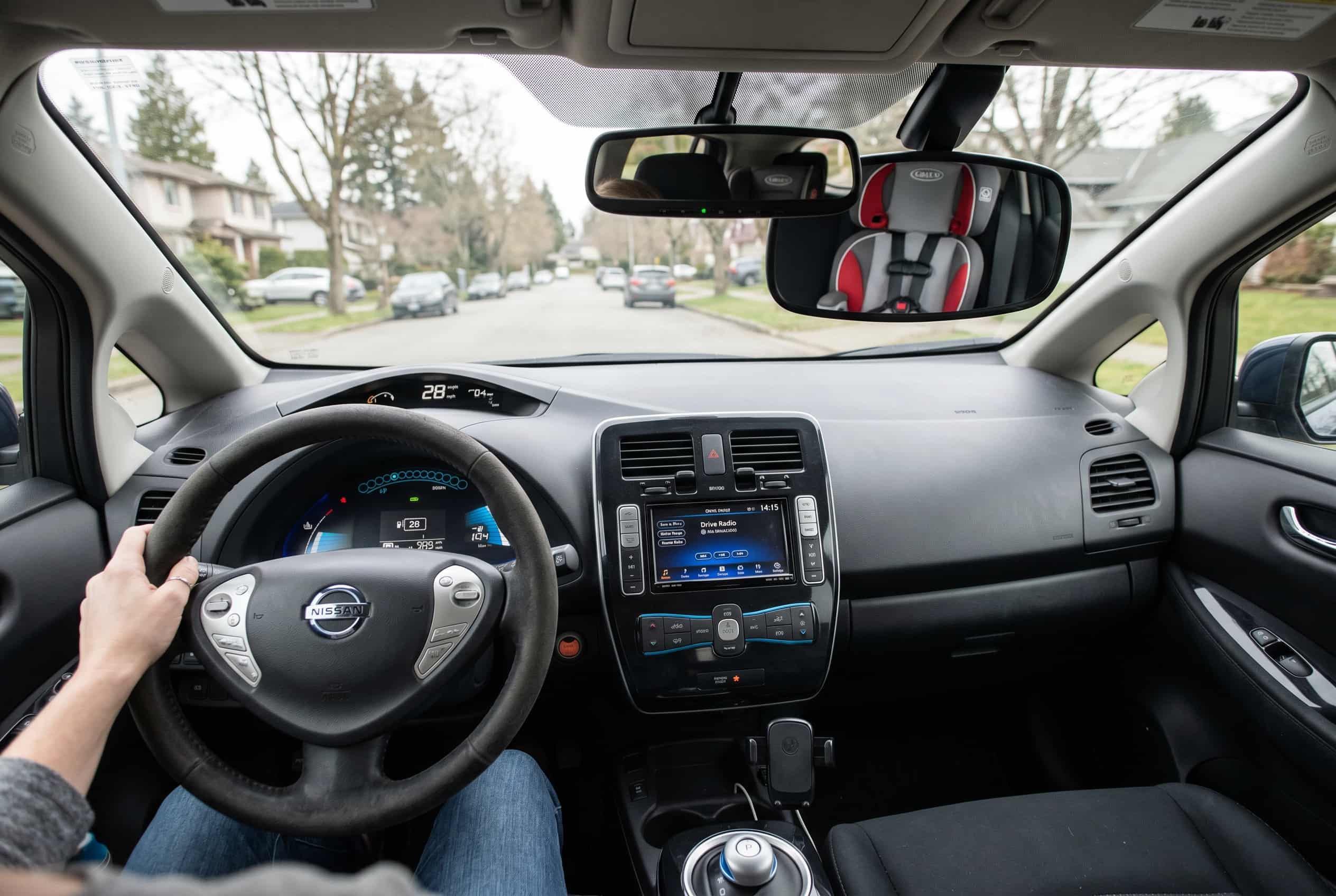
The question Owen asks every reader who is cross-shopping these cars is not "Which one has the most range?" or "Which one charges the fastest?" It is this: "Which one makes your normal Tuesday easier?"
If your Tuesday involves a commute, a daycare drop-off, a grocery stop, and parking in a standard garage or driveway, any of these four will handle it without drama. If your Tuesday involves frequent two-hundred-mile highway trips with tight schedules, you may want something with faster charging speeds — but also ask yourself whether a plug-in hybrid might handle those days better while keeping your daily driving electric.
The best EV is the one that fits your life without asking you to change your personality. For most first-time buyers, that car is not the one with the longest spec sheet. It is the one you stop thinking about after the first month because it just works.