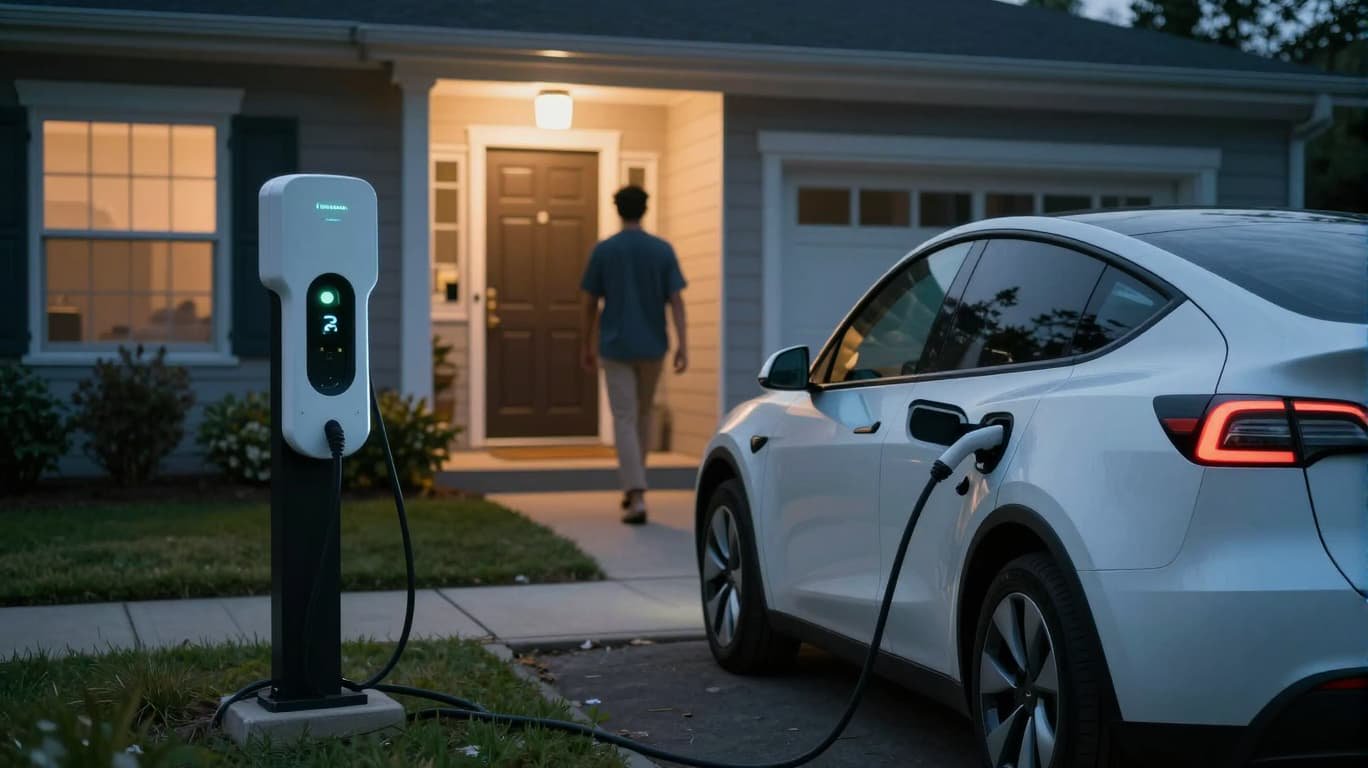
The phrase “range anxiety” is treated like a chronic condition — something you either have or you do not. Owen Barrett finds that description inaccurate. Range anxiety is not a permanent state. It is a temporary mismatch between what you know about the car and what you still need to learn.
Most new EV owners experience some version of it in the first few weeks. The battery percentage drops faster than expected. The range estimate on the dashboard bounces around. A thirty-mile commute feels like a gamble. Then, somewhere around the thirty-day mark, something shifts. The anxiety does not necessarily disappear, but it changes shape. It becomes less about fear and more about calibration. Here is how that transition happens, and why the first month is not representative of the ownership experience that follows.
The first week: the dashboard becomes an obsession
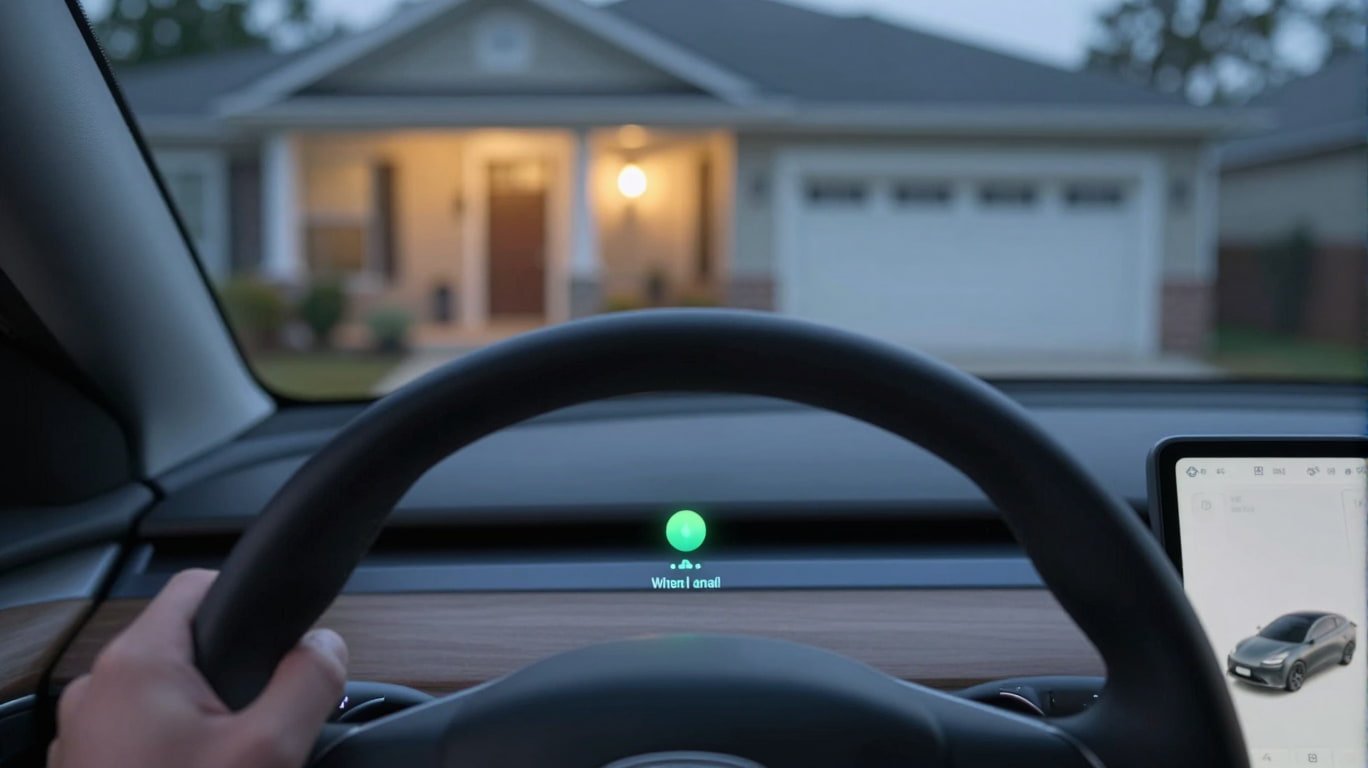
In the first week, the range estimate dominates the driver’s attention. Every mile of driving subtracts from the displayed number, and that number rarely matches the distance actually traveled. The heater draws power. A headwind on the highway changes efficiency. The guess-o-meter — the colloquial name for the range estimator, and a deserved one — adjusts downward after a cold start and then creeps back up as the battery warms. All of this feels alarming if you have not seen it before.
New owners often overcorrect. They charge more frequently than needed. They keep the cabin cold to save miles. They avoid highways. They treat the car as if it might run out of power at any moment, even when the battery is above sixty percent. This behavior is not irrational. It is the natural response to an unfamiliar instrument. Nobody trusts a fuel gauge the first time they see it move erratically.
The second week: a few real numbers replace the fiction
By the second week, the owner has completed their regular commute several times. They know that the round trip consumes roughly a certain percentage of the battery, not the worst-case number the car displayed on a cold morning but the typical number under normal conditions. They have learned that the car’s range estimate is conservative in some situations and optimistic in others, and they are beginning to calibrate their own mental model against the dashboard’s predictions.
This is the inflection point. The driver stops treating the range estimate as a countdown clock and starts treating it as a guide with a known margin of error. The commute that felt uncertain in week one now feels predictable. The route to the grocery store is no longer a calculation. The car is becoming a tool rather than a puzzle.
The third and fourth weeks: the battery becomes background
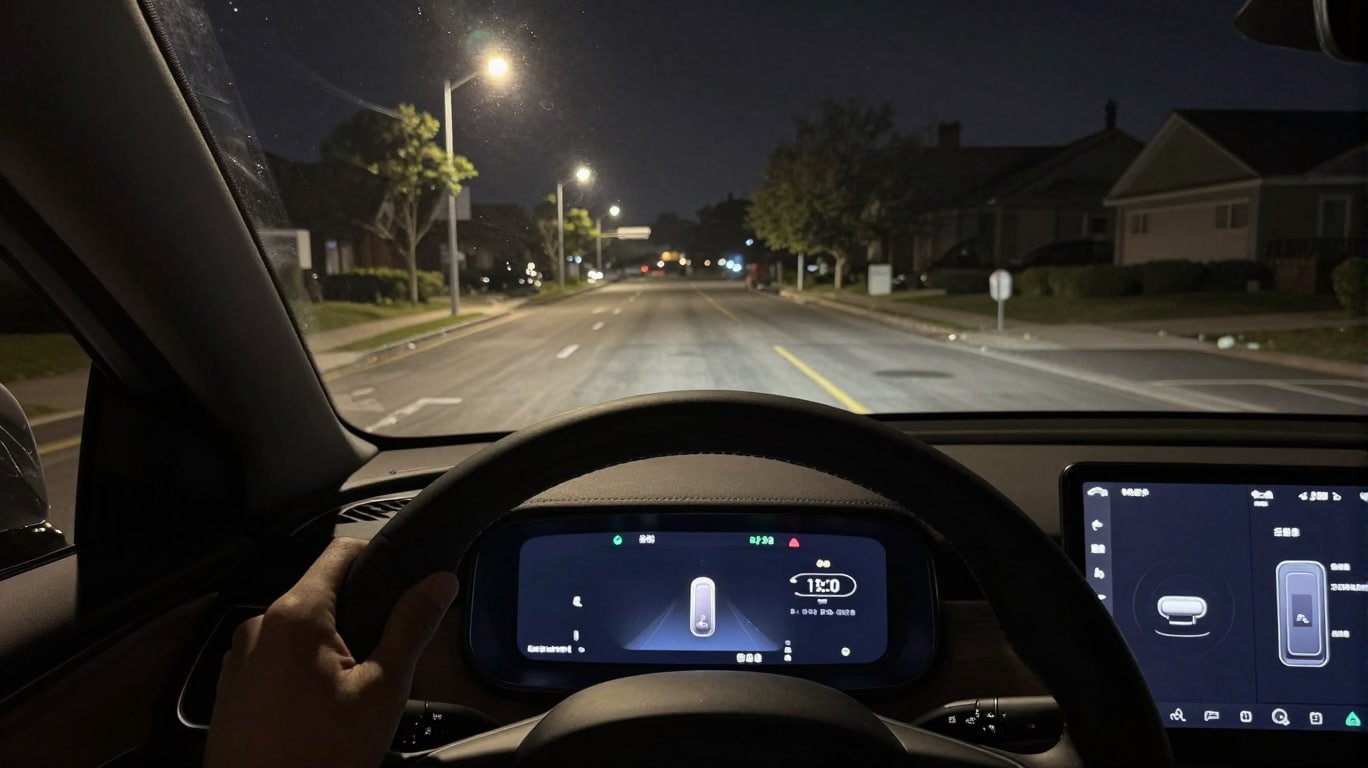
By the third or fourth week, the battery gauge has lost its grip on the driver’s attention. Most trips are well within the car’s comfortable range, and the driver has internalized that fact. They plug in at home out of habit rather than urgency. They no longer check the range estimate before every departure. The car has done the same commute enough times that the numbers have stopped being interesting.
What remains is a low-level awareness that replaces the sharp anxiety of the first week. The driver knows, without consciously calculating, that a certain destination requires a certain charge level. They know that cold mornings take a toll. They know which public chargers along their usual routes are dependable. This awareness is not stressful. It is the same kind of working knowledge that a gasoline-car driver has about where the gas stations are on the way to work — present but rarely activated.
Why the thirty-day mark matters
The thirty-day threshold is not magical, but it is practical. Thirty days is long enough to cover most of a driver’s recurring routes in most of the weather conditions they will encounter in a given season. The car has been driven to work, to school, to the grocery store, to a friend’s house, and probably to one unfamiliar destination that required a moment of planning. By the end of that month, the owner has answered the two questions that drive range anxiety: how far does this car actually go in my real life, and where will I charge it if I need more?
The questions that remain — how will it behave on a road trip, how much range will I lose in deep winter — are answerable with planning rather than daily worry. They are not the same as the free-floating unease of the first week. They are specific, and specific questions can be solved.
The table below contrasts the first-week experience with the post-thirty-day experience across several dimensions.
Dimension | First week | After thirty days |
|---|---|---|
Attention to range estimate | Constant, anxious | Occasional, calibrated |
Charging frequency | Overcharge to be safe | Routine, based on actual need |
Reaction to cold-weather range drop | Alarming | Expected and planned for |
Trip planning | Avoid long or unfamiliar trips | Comfortable with basic route planning |
Emotional state | Mild to moderate anxiety | Low-level awareness, not stress |
The anxiety that returns — and why it is different
Range anxiety can return. A long road trip through unfamiliar charging territory, a winter cold snap that cuts range more than expected, a broken charger at an inconvenient moment — any of these can trigger a brief resurgence of the old feeling. But it is different the second time. The driver knows that the car is capable of the trip. They know that the feeling is temporary and will resolve when the next charger appears. The anxiety is situational, not existential. It passes.
Owen compares it to the difference between a new parent’s first night home with a baby and the same parent’s response to a fever six months later. The first night feels terrifying because nothing is familiar. The fever is concerning, but the parent has six months of experience to draw on. The concern is real, but it sits on a foundation of competence. EV ownership after the first month operates on the same principle.
Letting the car earn your trust
The best advice Owen can offer a new EV owner in the first week is to let the car do its job. Drive it. Charge it. Watch the range estimate bounce around and resist the urge to panic. Pay attention not to the worst-case numbers but to the typical numbers. After a few weeks, the pattern will emerge on its own.
The best EV is the one that fits your life without asking you to change your personality. Part of that fit is emotional. A car you trust is a car you stop thinking about. Trust takes about thirty days. After that, you just drive.