There is a particular kind of disappointment Owen Barrett hears about from readers who bought an EV based on a spec sheet. The car seemed perfect. The range was competitive. The charging speed was fast. The touchscreen was enormous. The zero-to-sixty time was sports-car territory. Then the car arrived in the driveway, and within a few weeks, the brilliance faded into something more ordinary — or worse, something mildly annoying.
The problem is not that the specifications were false. It is that the specifications were answers to questions most people do not ask in their actual lives. A spreadsheet is a terrible substitute for a Tuesday. Here is where the gap between paper and pavement tends to live.
Range: the number that gets the most attention and the least context
EPA range estimates are useful for comparing one EV to another under controlled conditions. They are much less useful for predicting how far you will travel on a cold February morning with the heat on and a car full of passengers.
The test cycle that produces the EPA number assumes moderate temperatures, mixed driving, and no cabin heating load that a real driver in a northern state would find laughably optimistic. On a seventy-degree day with gentle driving, some cars beat their EPA rating. On a freezing day with highway speeds and a warm cabin, the same car might fall short by a quarter or more. Neither result means the car is broken. It means the EPA test is a laboratory, not your life.
The range number that matters is not the one on the window sticker. It is the one you learn after a few months of your own commute, on your own roads, in your own weather. That number is not as impressive as the official figure. It is more honest.
Charging speed: peak power is a party trick
A fast-charging peak power number looks great in a headline. The car can accept a certain very high kilowatt rate, which suggests you can add a lot of range in very little time. The asterisk is that the peak is available only under specific conditions: the battery must be at a low state of charge, the temperature must be within a narrow range, and the charger itself must be capable of delivering that power.
In practice, most charging sessions do not happen at peak power. The charging curve ramps up, holds briefly at the maximum, and then tapers down to protect the battery. The time saved by a higher peak number is often measured in minutes rather than fractions of an hour. A car that charges at a slightly lower but more consistent rate can be faster overall in real conditions. The spec sheet does not show the curve. The curve is what you experience.
Touchscreens and the tyranny of the software update
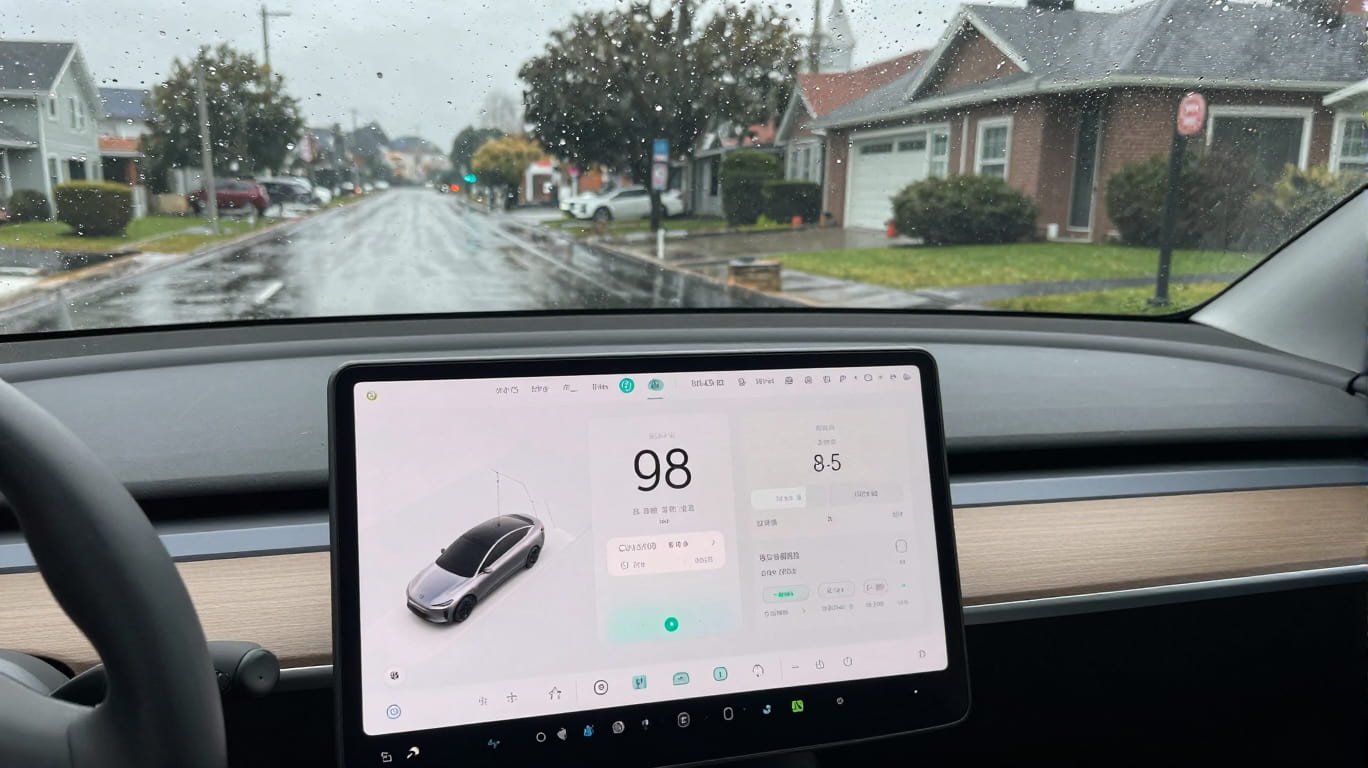
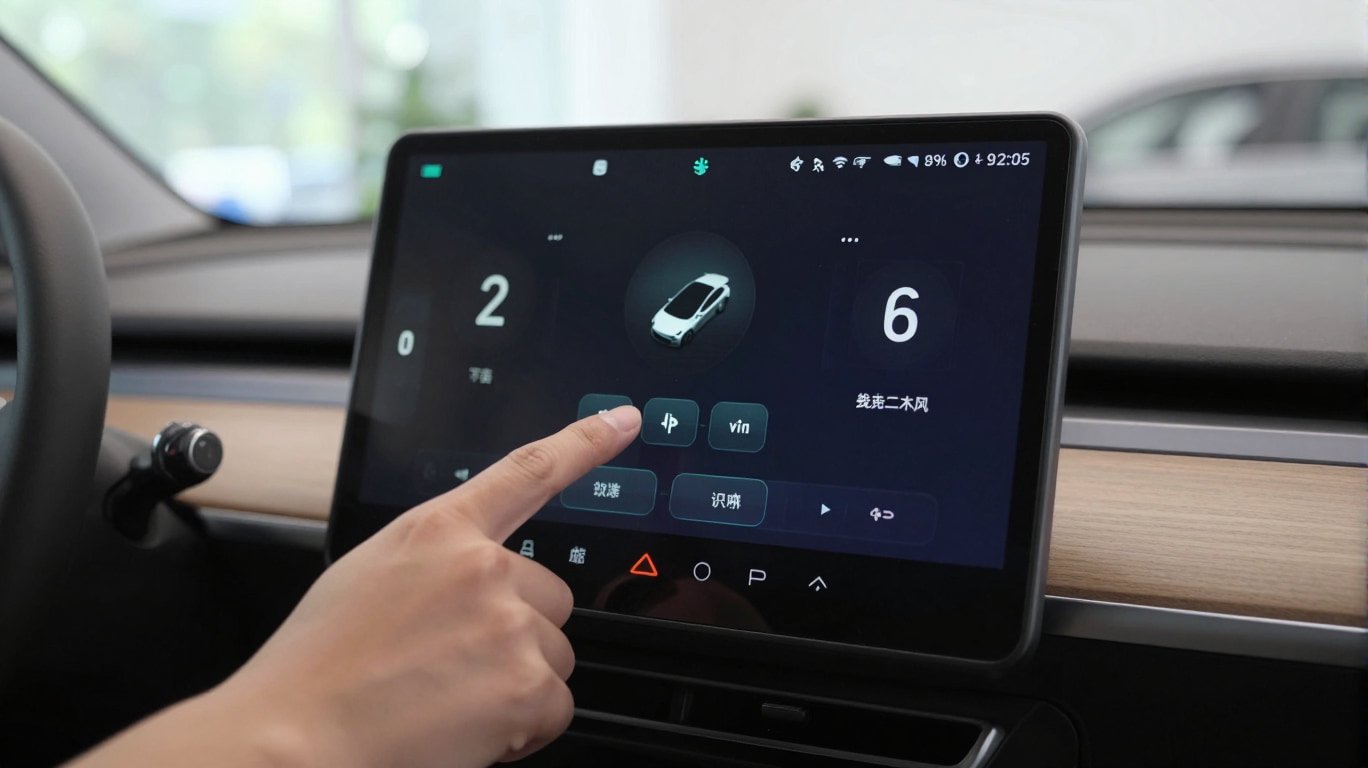
A large, glossy touchscreen looks impressive in a showroom and reads well in a review. It also concentrates almost every vehicle function — climate, audio, navigation, driving modes — into a single surface that requires looking away from the road to operate.
Some interfaces respond instantly. Others lag. Some bury the heated-seat control three menus deep. A feature that adds delight in the first week can become a daily irritation by the third month. Physical buttons are not glamorous, but they are findable by touch. That matters more on a dark morning with a child in the back seat than a spec sheet ever captures.
Acceleration: the thrill that fades
Electric motors deliver instant torque, and even modest EVs can accelerate briskly from a stop. The novelty is real and genuinely enjoyable. It also fades faster than most buyers expect. After a few months, the majority of drivers settle into a normal commuting rhythm that does not involve full-throttle launches. The passing power on a highway remains useful. The zero-to-sixty time gradually becomes trivia.
A car that is quick enough for a safe merge and a relaxed cruise does the job. The difference between quick and blisteringly quick matters enormously in a review video and almost not at all in a carpool lane.
Cargo space: liters are not the same as a folded stroller
Cargo volume specifications are measured with standardized blocks that do not resemble a stroller, a cooler, or a set of golf clubs. A car can have a respectable cargo number on paper and still fail the real test of swallowing a week’s worth of groceries plus a diaper bag without folding the rear seats.
The shape of the cargo area matters more than the total volume. A shallow trunk with a narrow opening is less useful than a slightly smaller space with a wide, square hatch. The fastback roofline that looks sleek in photos cuts into vertical cargo space in real life. These are the things you notice when you try to load a bicycle or a bulky box. You do not notice them on the spec sheet.
The table below matches a few common paper specifications against the reality that tends to undercut them.
The paper highlight | What real life often reveals |
|---|---|
EPA range estimate over 300 miles | Highway and cold-weather range may be 20–30% lower; short trips with heater use reduce it further. |
Peak fast-charging power over 200 kW | Sustained rate is much lower after the initial burst; battery preconditioning is required for best results. |
Large central touchscreen with all controls | Menu-diving for basic functions adds distraction; software lag can make simple tasks feel tedious. |
0–60 mph in under 5 seconds | Fun for the first month; daily driving rarely uses it; tire wear increases with enthusiastic launches. |
Generous cargo capacity in liters | Irregular shapes, sloping rooflines, and narrow openings limit usable space for real family gear. |
The test drive that would actually help
Owen’s advice for cutting through the paper-versus-reality gap is to run an errand during your test drive, not just a loop around the dealership.
Bring the car seat you will install every day and fasten it in the back. Bring the stroller and load it into the cargo area. Pair your phone with the infotainment system and try to change the climate settings while the car is moving. Sit in the passenger seat with the car seat behind you and see whether your knees are in the glovebox. Accelerate from an on-ramp, but also drive at a steady forty miles per hour on a rough road and listen to the cabin noise.
None of that replaces a spec sheet, but it does something more valuable. It replaces a fantasy of the car with a preview of the car. The paper version will always look better. The real version is the one you will park in your driveway.