The first week of EV ownership, charging feels like a small event. You think about the cable. You check the app to see if it is actually working. You watch the range estimate tick upward and wonder if you are doing it right.
By the third month, it should feel like none of those things. A good charging routine is boring. It is not the kind of thing anyone posts about on a forum because there is nothing interesting to say. The car is just ready when you need it.
Owen Barrett has helped enough new owners through those first few weeks to know what makes the difference between a routine that sticks and one that becomes a source of low-grade annoyance. Here is how to build the boring, reliable habit that makes EV ownership feel normal.
Start with your week, not your battery percentage
The most common mistake new owners make is treating charging like refueling a gasoline car. They wait until the battery is low, then go find a charger. That approach works with gas stations on every corner. It does not work as well with an electric car — and even if it does, it turns charging into a recurring errand rather than a background habit.
The better approach is to pick a charging schedule that follows your week, not your fuel gauge. Most drivers have a predictable rhythm. Monday through Friday looks roughly the same. Saturday and Sunday have their own shape. Plugging the car in during the same window every time — overnight while you sleep, during the workday if your office has chargers, or during a standing weekend errand — removes the decision from your day.
Decisions drain energy. Habits preserve it. The goal is to make plugging in as automatic as locking the front door. You do it because that is what you do, not because you calculated the remaining range and determined it was time.
The table below shows how different weekly rhythms map to a natural charging schedule.
Weekly rhythm | Natural charging window | What makes it stick |
|---|---|---|
Commute to an office with workplace chargers | Plug in upon arrival, leave it until departure | No extra stop; charging happens during hours you are already stationary |
Work from home, car used for errands and school runs | Plug in overnight every two to three days | Car is parked in the same spot nightly; cable lives on a hook nearby |
Shift worker with irregular hours | Plug in every time you return home, regardless of battery level | Removes the mental calculation; car is always topped up |
Weekend-heavy driver, light weekday use | Plug in Friday night for Saturday, Sunday night for Monday | Aligns charging with the highest-demand days |
Home charging: make the cable disappear into the background
If you have a garage or a driveway with a dedicated charging spot, you have the easiest path to a boring routine. The goal is to make the physical act of plugging in take less than ten seconds and require zero thought.
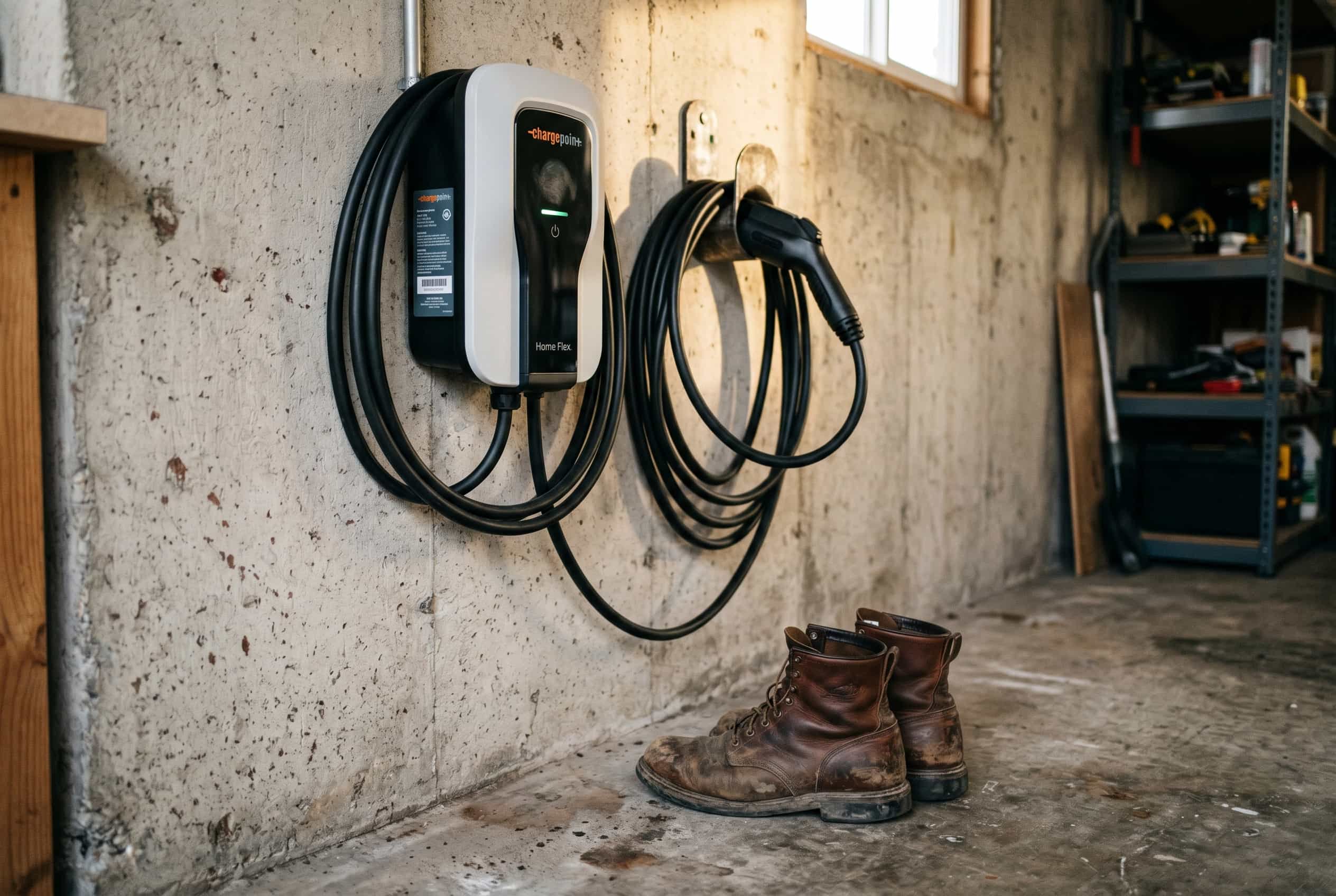
Mount the charging cable on a hook or a wall holster within arm's reach of the charge port. Do not leave it coiled on the floor. Do not store it in a cabinet. The cable should live exactly where you need it, so plugging in becomes one fluid motion when you park.
Some owners prefer to plug in every time they come home, regardless of battery level. That is the simplest habit to maintain because it removes the decision entirely. You park, you plug. The car manages the charging schedule to take advantage of off-peak electricity rates if your utility offers them. You do not have to think about whether you need to charge tonight because the answer is always yes. It sounds unnecessary until you try it — and then it feels obvious.
Others prefer to charge on set days, like every other night or every Sunday and Wednesday. This works well for drivers with shorter commutes who do not need a full battery every morning. The key is to pick days you can remember without a phone reminder. Tie the charging day to another recurring event: trash night, the evening you meal-prep, the morning you take the kids to soccer practice. That anchor makes the habit self-reinforcing.
Apartment and street-parking routines
Not everyone has a garage, and not everyone has a driveway. For renters, apartment dwellers, and anyone who parks on the street, the routine requires more active planning — but it can still become predictable.
The most sustainable approach for apartment dwellers is to attach charging to an existing weekly errand rather than treating it as a standalone task. A grocery run becomes a charging session. The Saturday morning library trip with the kids becomes a charging session. The goal is to overlap charging with something you were going to do anyway, so it does not feel like extra time out of your week.
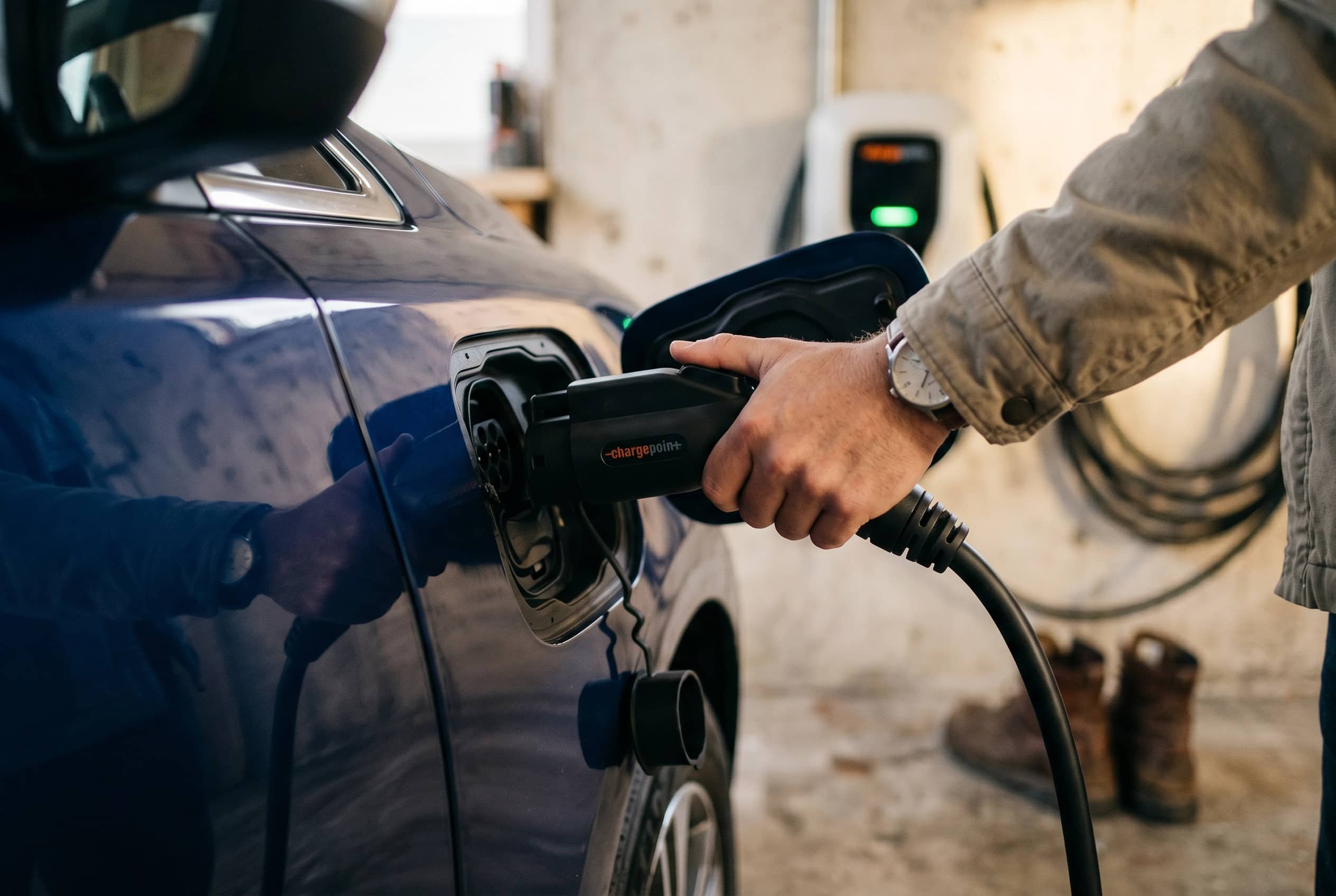
Public Level 2 chargers at grocery stores, shopping centers, and community lots are the most practical option for this approach. They are not fast, but an hour of charging adds meaningful range, and an hour is roughly how long a thorough grocery run takes. Over the course of a week, two or three of these overlapping sessions can cover most people's driving needs without a dedicated fast-charger stop.
If your only realistic option is public DC fast charging, the routine shifts again. In that case, treat the charging stop like a scheduled break rather than an errand to optimize. Catch up on emails. Listen to a podcast. Call a family member. The people who find fast-charging routines most tolerable are the ones who stop trying to make the session faster and instead accept it as a predictable twenty-to-thirty-minute pause in their week.
The table below summarizes the three main charging-setup scenarios and the routine that fits each.
Charging setup | Best routine | Weekly time commitment |
|---|---|---|
Home Level 2 charger in garage or driveway | Plug in overnight, every night or on set days | Under sixty seconds per session; no dedicated time |
Reliable workplace charging | Plug in upon arrival; leave car until end of workday | Zero extra time beyond walking to the office |
Public charging only, no home or work access | Pair Level 2 sessions with existing weekly errands; supplement with fast charging as needed | Two to three hours per week, mostly overlapped with other activities |
The winter adjustment
Cold weather changes the routine slightly, not because charging is harder, but because range is shorter. A commute that uses forty percent of the battery in mild weather might use fifty percent in freezing temperatures. The fix is not complicated. If you charge at home, plug in more frequently. If you charge in public, leave a larger buffer in your planning and know which fast chargers along your usual routes are reliable in cold conditions.
The first winter will feel like an experiment. You will watch the range estimate more closely than you need to. By the second winter, you will have calibrated your expectations and the routine will feel normal again. Preconditioning the cabin while plugged in — warming up the car from grid power rather than the battery — makes a noticeable difference in cold-weather range and is one of the few EV-specific habits that is genuinely worth learning early.
Let the car manage the battery, not you
A final piece of advice Owen gives every new owner: stop trying to micromanage the battery. The car's charging software is better at protecting long-term battery health than any set of rules you picked up from a forum.
Charging to eighty percent instead of one hundred percent for daily use is a sensible guideline for most EVs, but it is not a commandment. If you need the full range for a longer drive, charge to one hundred percent and do not feel guilty about it. The battery management system is designed to handle that. The difference between a perfectly optimized charging regimen and a reasonably sensible one is tiny in practice — far smaller than the stress of obsessing over it.
The same goes for public fast charging. Yes, frequent fast charging contributes to battery degradation over many years. No, using a fast charger once a week on a road trip will not destroy your battery. The research supports a moderate, not absolutist, approach.
A routine you can live with
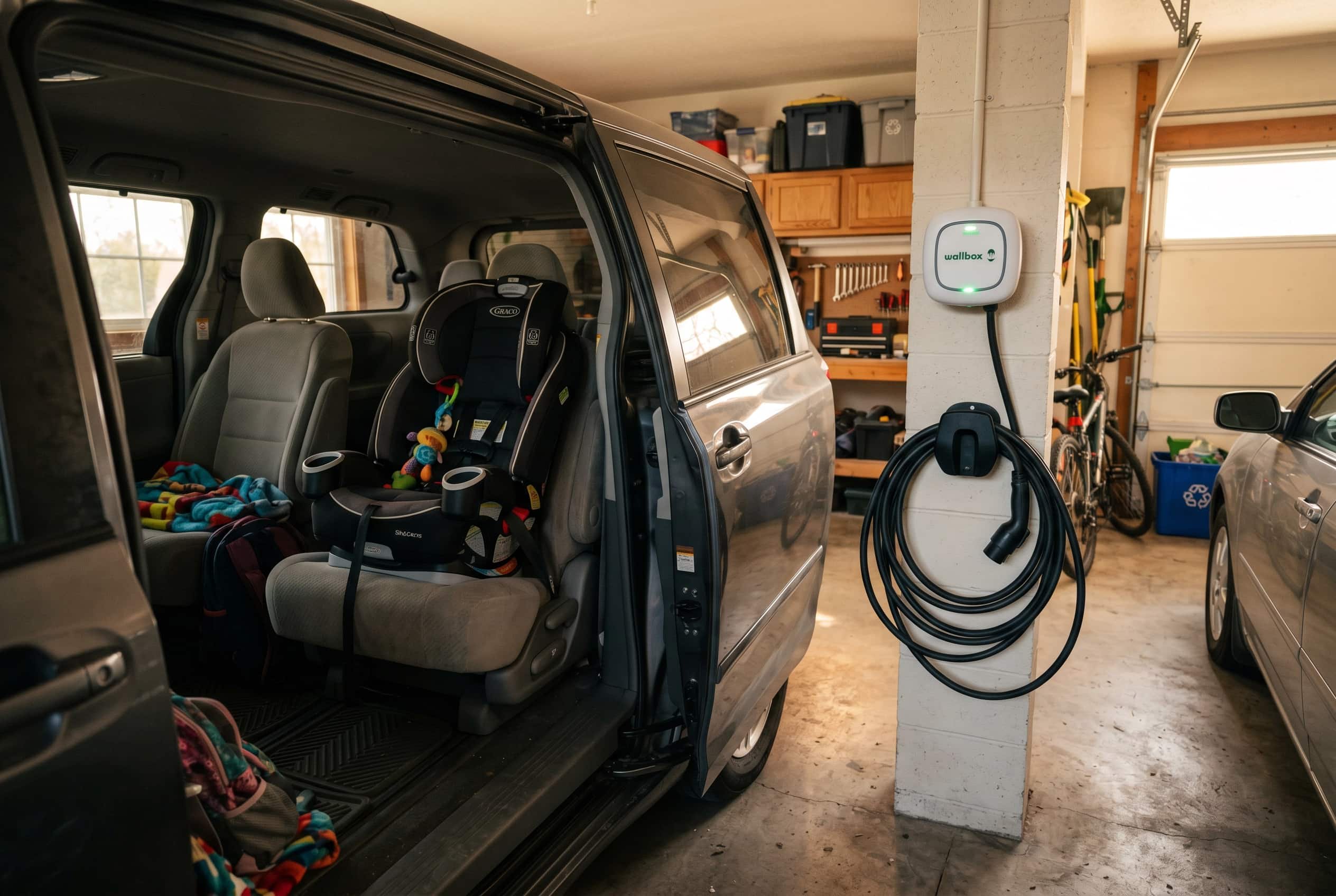
The best charging routine is the one that stops feeling like a routine. It is the cable you plug in without thinking. The errand you were already running. The workday that recharges your car while you do something else entirely.
Good ownership is mostly routine. If your charging rhythm feels like a chore after three months, something is not right — not with you, but with the setup. Change the days. Move the cable. Find a different charger near a different grocery store. The habit should bend toward your life, not the other way around.