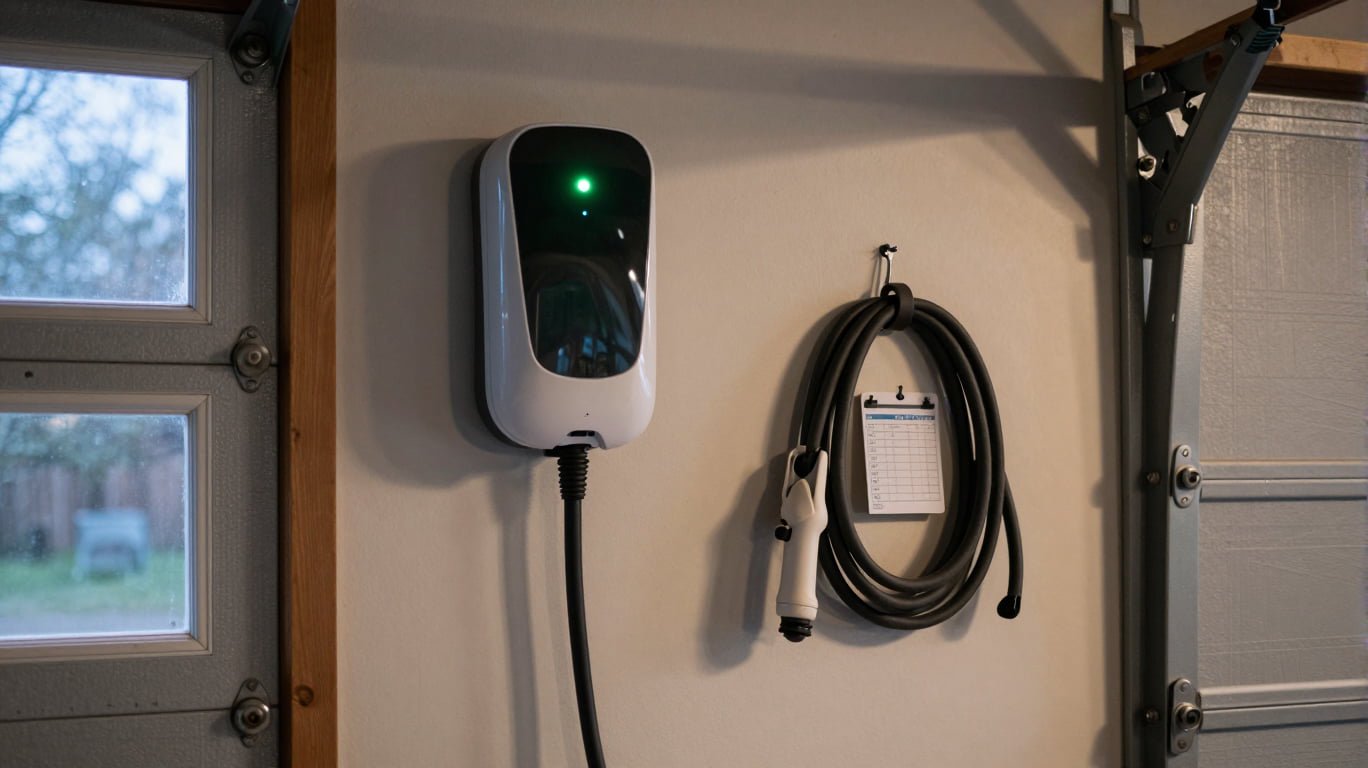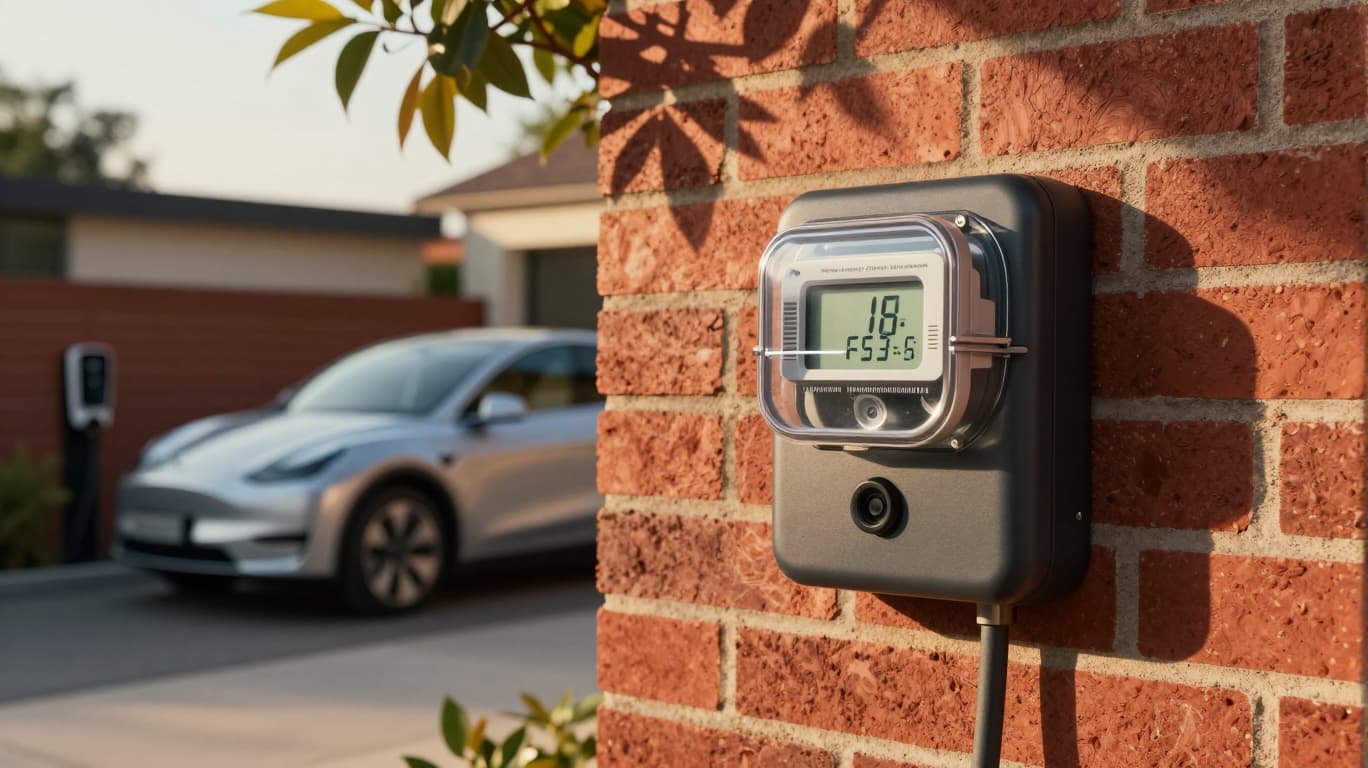
There is a quiet truth about electric vehicle ownership that gets buried under all the talk of battery chemistry and charging speeds: the difference between an expensive charging life and an affordable one is mostly about habit.
You do not need the fastest home charger on the market. You do not need a car with the most advanced battery architecture. You need a routine that aligns your charging with the cheapest electricity available in the place you already park. Owen Barrett has watched too many new owners chase technology solutions to what are fundamentally scheduling problems. The charger you already have, used at the right time, will beat an expensive upgrade used at the wrong time every single month.
Why timing matters more than hardware
Residential electricity is not one price. For a growing number of American households, it follows a time-of-use rate structure: electricity costs more during peak demand hours — typically late afternoon and early evening — and costs less during off-peak hours, usually overnight and early morning.
The difference between peak and off-peak rates can be significant. In some utility territories, off-peak power costs less than half of what peak power costs. For an EV owner driving twelve thousand miles a year, that rate difference translates into a meaningful amount of money annually — not because the car became more efficient, but because the driver shifted the charging schedule to match the cheaper window.
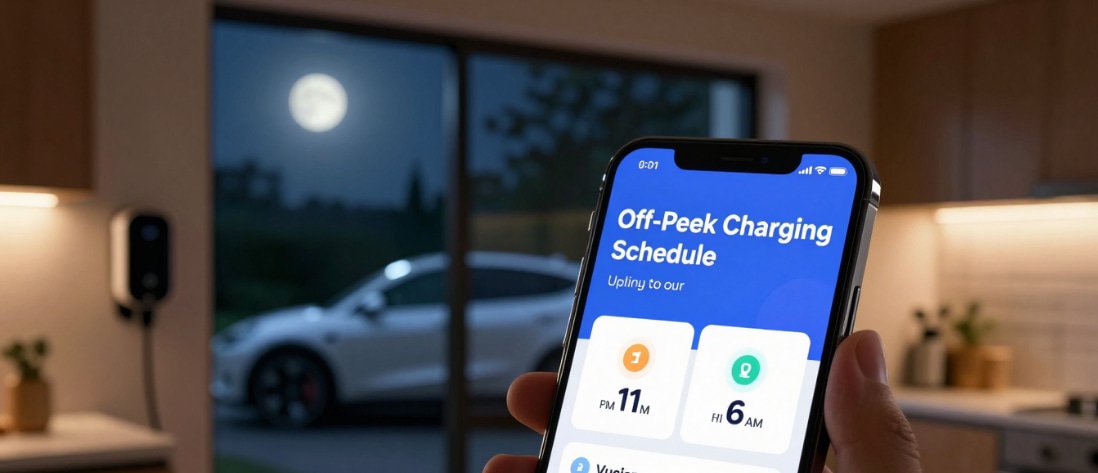
Most EVs and most home chargers have scheduling features built in. You set the car or the charger to begin charging at, say, eleven at night, when rates drop. You plug in when you get home in the afternoon. The car waits. The electricity flows while you sleep. The bill is lower. You did nothing except configure a setting one time.
The table below shows how the same car and charger produce different annual fueling costs under different timing habits.
Charging habit | Electricity rate type | Relative annual cost for 12,000 miles |
|---|---|---|
Plug in whenever you get home, no schedule | Flat-rate utility plan | Baseline |
Plug in whenever you get home, no schedule | Time-of-use plan, charging during peak hours | Significantly higher than baseline |
Set car to charge after 11 p.m. | Time-of-use plan, off-peak window | Noticeably lower than baseline |
Public DC fast charging as primary source | Commercial charging rates | Highest of all, often matching gasoline |
The routine that costs the least
The cheapest charging routine is boring to describe. You have a charger at home. You have enrolled in your utility's time-of-use rate plan if one is available and the numbers work for your overall household usage. You have set the car or charger to charge only during the off-peak window. You plug in when you park and do not think about it again.
That is the whole routine. The technology is secondary. Any Level 2 charger with scheduling capability can execute this plan. The car's battery management system handles the rest. The savings accumulate month after month without any additional effort.
The people who pay the most for EV charging are not the people with the least efficient cars. They are the people who rely on public fast charging as their primary energy source. Public fast charging rates are structured for convenience, not affordability, and they reflect the cost of installing and maintaining high-power equipment in commercial locations. A driver who fast-charges exclusively can end up with a per-mile fuel cost that is comparable to — or sometimes higher than — a fuel-efficient gasoline car. The technology is advanced. The routine is expensive.
Free charging exists, but it is a supplement, not a plan
Workplace charging, when subsidized or free, is a genuine financial advantage. Hotel destination chargers, free Level 2 stations at municipal lots, and complimentary charging at some retail locations can all reduce your annual fueling cost.
The mistake is building a budget around free charging as the primary energy source. Free chargers are shared resources. They are occupied. They are sometimes broken. They are not guaranteed. A driver who plans to charge mostly for free is one bad week away from an expensive fast-charging session that erases the savings.
The smarter approach is to treat free charging as a bonus. When it is available and convenient, use it. When it is not, fall back to the scheduled home-charging routine that costs little and requires no luck. The savings from free charging are real, but they are unreliable. A budget built on unreliable savings is not a budget. It is a hope.
Charging speed at home: fast enough is fast enough
A common point of confusion for new owners is how fast their home charger needs to be. The marketing suggests that faster is better. The reality is that for overnight charging, almost any Level 2 charger is fast enough.
A typical American driver travels under forty miles a day. A modest Level 2 charger can replenish that in a few hours. Whether your charger can fill the battery in four hours or six hours does not matter when the car is parked for ten hours overnight. Both speeds finish well before morning.
The case for a higher-powered home charger is specific. You might benefit if you have a very large battery, a very long daily commute, or a time-of-use window that is unusually short. Most households do not fall into any of those categories. Spending extra money on a faster charger that you never need to run at full speed is not an efficiency investment. It is a comfort purchase dressed as a practical one.
The one piece of technology worth having
If there is a single technology that does make cheap charging easier, it is not the charger. It is the scheduling function — and almost every EV and charger already has it.
Set it once. Verify it works the next morning. Then forget about it. The electricity will flow when it is cheapest. The savings will compound in the background. Good technology fades into the rhythm of a household. The best charging technology is the one you stop noticing.