If you're reading this used electric car buying guide, you probably already know that EVs lose value faster than gas cars in the first few years. That makes the used market a smart place to start looking. A three-year-old electric sedan that originally cost $50,000 might sell for $25,000 to $30,000 today. But buying a used EV isn't the same as buying a used Camry. The battery, the charging history, and the available incentives all demand a different kind of attention. This guide walks through what matters most when shopping for a pre-owned electric car.
Why Buy a Used Electric Car?
The biggest reason is depreciation. New EVs drop in value quickly, partly because federal and state tax credits apply only to new purchases. A buyer who snags a two- or three-year-old EV often gets a car that still has 90 percent of its original range for 40 percent less than the sticker price. On top of that, used EVs tend to have lower maintenance costs than gas cars—no oil changes, fewer moving parts, no timing belts. You do need to budget for tire wear (EVs are heavy) and eventual battery replacement, but for most drivers, the savings add up fast.
Battery Health Is Everything
The single most important check in this used electric car buying guide is the battery. EV batteries degrade over time and mileage, but degradation varies widely. A well-maintained 2019 Chevy Bolt might still have 93 percent of its original capacity, while a poorly charged 2017 Nissan Leaf could drop to 75 percent. Ask the seller for the battery's state of health (SoH) reading, which many cars show in their infotainment system or via an OBD-II scanner. Look for a model with an active thermal management system—liquid cooling keeps the battery healthier in hot climates. Avoid cars that were regularly fast-charged to 100 percent or left at low charge for weeks.
Tax Credits and Incentives for Used EVs
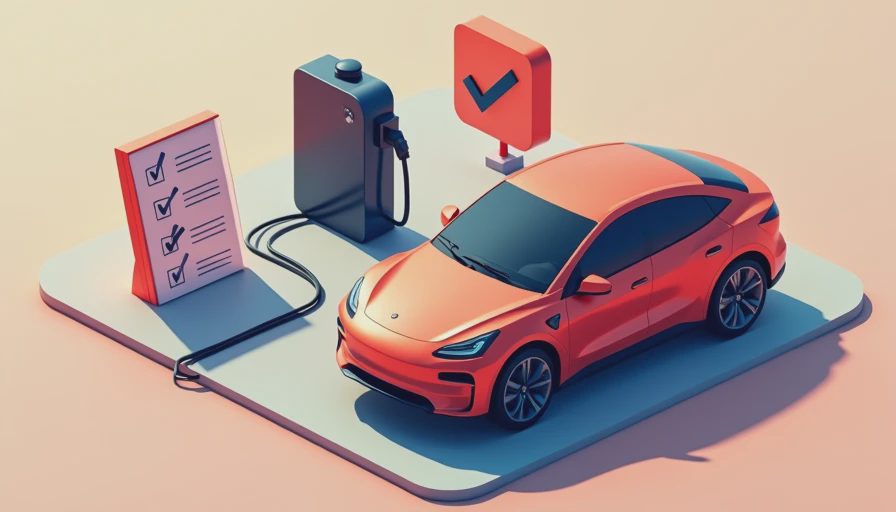
Many buyers don't realize that used EVs may qualify for a federal tax credit. The Inflation Reduction Act introduced a credit of up to $4,000 or 30 percent of the sale price (whichever is lower) for qualifying used EVs. The rules are specific: the car must be at least two model years old, the sale price must be $25,000 or less, and your income must fall below certain limits. Some states also offer their own used EV rebates. For example, California's Clean Vehicle Rebate Project (now the Clean Cars 4 All program) provides up to $9,500 for income-qualified buyers. Check your state's clean transportation website before you commit.
Charging Setup at Home
Before you buy, think about where you'll charge. If you own a house with a garage or driveway, installing a Level 2 charger (240-volt) costs $400 to $1,200 for the unit plus installation. Many utilities offer rebates that cover part of that cost. If you rent or park on the street, charging gets harder. You'll rely on public Level 2 chargers (slow) or DC fast chargers (faster but more expensive). A used electric car buying guide should always include a realistic charging plan. I recommend checking the PlugShare app to see what chargers are near your home and work before you make an offer.
Test Drive Checklist for Used EVs
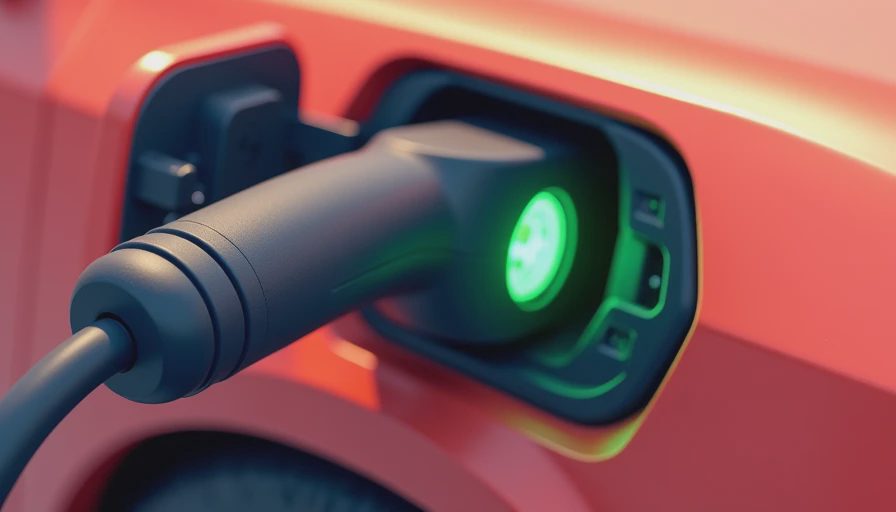
Test-driving a used EV is similar to a gas car, but with extra items. First, check the dashboard for any warning lights, especially the battery or powertrain icons. Next, test both levels of regenerative braking—if the strongest setting feels too aggressive, the car may have software updates pending. Drive at highway speed to listen for wind noise or suspension thumps (EVs are quiet, so odd sounds stand out). Also, try the climate control: heat pumps are more efficient than resistive heaters, so ask if the car has one. Finally, verify that the charging port door opens and closes smoothly and that the car comes with both Level 1 and Level 2 charging cables.
Quick Model Recommendations
If you want a reliable used EV with good range and reasonable pricing, look at the Chevrolet Bolt EV (2017-2022), which offers around 238 miles of EPA range and is widely available under $20,000. The Hyundai Kona Electric (2019-2022) is another solid choice with similar range and higher build quality. For a family-friendly option, the Chevrolet Bolt EUV (2022) has more rear legroom and available Super Cruise. Avoid early Nissan Leafs (2011-2015) without battery thermal management, as their range degrades quickly in warm climates. And if you want a Tesla, the Model 3 (2018-2020) is the sweet spot: good range, Supercharger access, and prices now under $30,000 on the used market.
Final Thoughts
No used electric car buying guide can cover every nuance, but these steps will keep you from buying a headache. Focus on battery health, know the incentives, plan your charging, and test-drive with purpose. The right used EV can save you thousands over a new one and still fit your daily life without drama. The best EV is the one that fits your life without asking you to change your personality.