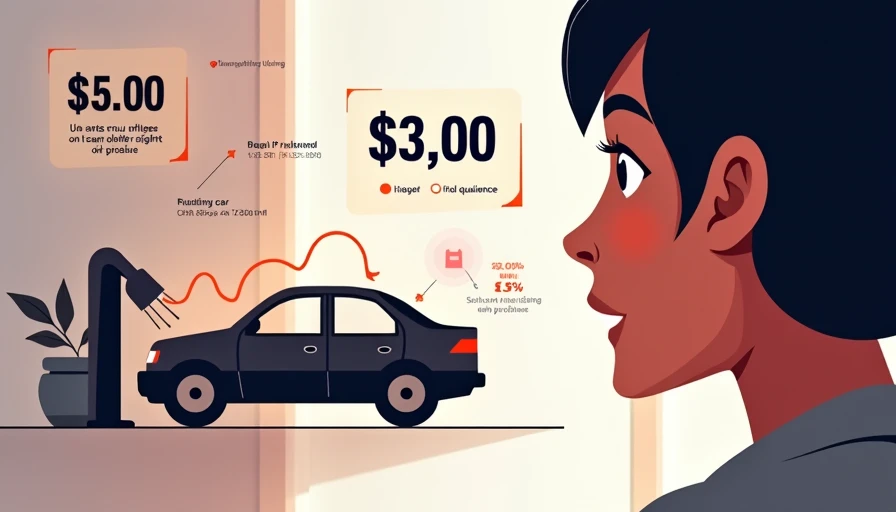
If you’re asking yourself are electric cars worth the money, you’re in good company. I get this question from neighbors, coworkers, and readers almost weekly. Everyone wants to know if the numbers add up without the hype. As someone who switched to an EV two years ago and tracks every cost, I’ll share what I’ve found—the wins, the tradeoffs, and where the answer gets personal.
The Upfront Price Gap Is Shrinking
The biggest hurdle for most buyers is the sticker price. A new EV typically costs $5,000 to $15,000 more than a comparable gas car. But that gap narrows fast when you factor in the federal tax credit of up to $7,500 and state rebates that can add another $1,000 to $5,000. I bought a 2023 Chevy Bolt EUV for $28,000 after incentives, while a similar gas hatchback would have been around $24,000. The difference was $4,000—not nothing, but not the dramatic premium some assume. Lease deals and used EVs also bring the entry point down. If you’re comparing a $35,000 EV to a $30,000 gas car, the payback period on that extra $5,000 is usually two to three years with fuel savings.
Fuel Savings: The Obvious Win (With a Caveat)
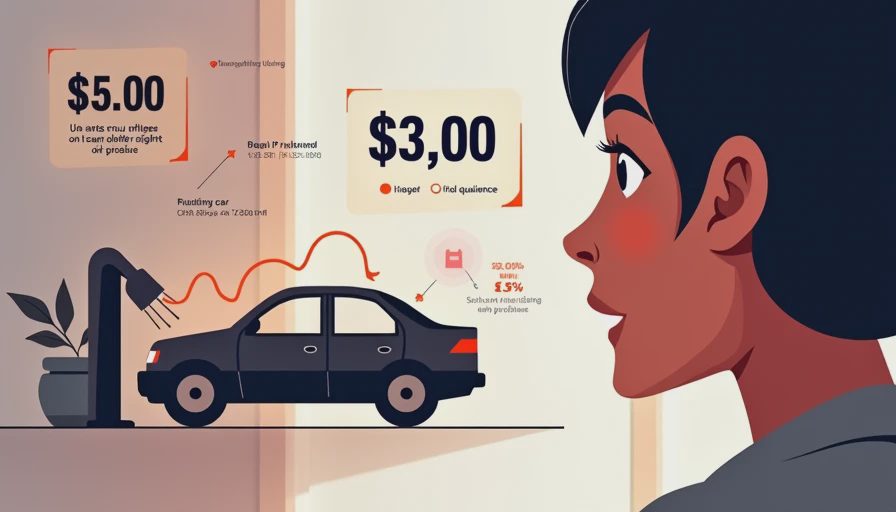
Electricity is cheaper than gasoline in most parts of the U.S. I pay about $0.12 per kilowatt-hour at home, which works out to around $0.04 per mile for my EV. A gas car that gets 30 mpg at $3.50 per gallon costs about $0.12 per mile. That’s a three-to-one advantage. Over 12,000 miles a year, I save about $960 on fuel. Over five years, that’s nearly $5,000. Some utilities offer time-of-use rates that drop to $0.08–$0.10 per kWh overnight, cutting per-mile cost further. But the caveat is important: if you rely on public fast-charging stations, the cost per mile can double or triple. Charging at Electrify America or Tesla Superchargers often runs $0.30 to $0.50 per kWh, which narrows the gap. For many, this is where the question “are electric cars worth the money” becomes situational. If you can charge at home, the answer leans yes. If you’re apartment-dwelling or street-parking, the math gets tougher.
Maintenance, Depreciation, and Insurance
Here the story is mixed. EVs have fewer moving parts—no oil changes, no transmission, no exhaust system. I’ve spent about $200 on maintenance in two years, mostly tire rotations and windshield wiper fluid. A gas car would have needed at least two oil changes and possibly a brake job by now. That’s real savings. Tires do wear faster on EVs due to the instant torque and extra weight, so plan on replacing them every 30,000–40,000 miles instead of 50,000. That adds about $200 per year. On the other hand, EV insurance premiums are often 10 to 20 percent higher because repair costs are higher. Depreciation is also steeper for many models, though that’s changing as more used EVs enter the market. Tesla Model 3s have held value surprisingly well, while some legacy automaker EVs like the Nissan Leaf have dropped faster. Overall, I estimate the maintenance and depreciation balance ends up slightly negative for EVs, but the gap is small and narrowing.
Charging Reality in an American Household
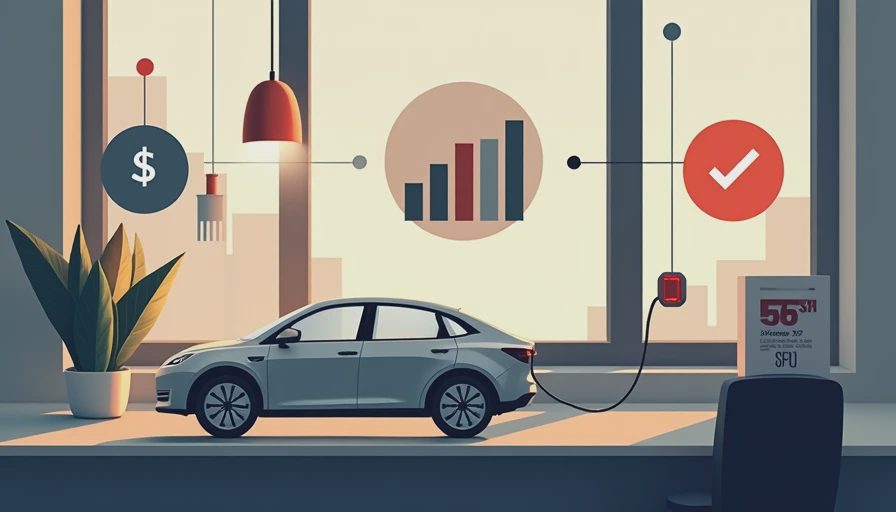
The experience of owning an EV depends heavily on your living situation. If you have a garage or driveway, installing a Level 2 charger costs $500 to $2,000, and the installation cost can be offset by a 30% federal tax credit (up to $1,000) for charging equipment thanks to the Inflation Reduction Act. Overnight charging gives you a full battery every morning. This is the ideal scenario. But if you rely on public chargers, you’ll face variability: broken machines, long lines, and the occasional “charging anxiety” when you need to detour. On road trips, planning around DC fast chargers is manageable but adds an extra layer of logistics. For families with two cars, one EV and one gas vehicle can be the sweet spot—you use the EV for daily commutes and errands, and the gas car for long trips. This hybrid approach often answers the “are electric cars worth the money” question with a confident maybe.
So, Are Electric Cars Worth the Money for Most Families?
After running the numbers and living the reality, I think are electric cars worth the money depends on your household’s specific driving patterns and charging setup. For a two-car family with a garage, a commute under 40 miles each way, and occasional road trips, an EV can save thousands over five years. For a single-car household that often drives long distances and can’t charge at home, the savings evaporate. The best EV is the one that fits your life without asking you to change your personality. If you can charge at home and drive less than 60 miles most days, the financial case is strong. If not, a hybrid or efficient gas car might be the smarter buy. And if you’re comparing a $40,000 EV with a $7,500 tax credit against a $35,000 gas car, the break-even point is around three years at 12,000 miles per year. That’s a reasonable payback period for most families.